Mr. White’s Wish for Two Hundred Pounds
The Monkey's PawMr. White’s Wish for Two Hundred Pounds is the Whites’ first use of the monkey’s paw, a modest-sounding request that acquires a devastating meaning when the same sum is later paid after Herbert’s fatal accident. The wish links the paw’s promise to an ordinary household concern, then makes money the stark measure of a loss no payment can repair.
The Wish and Its Immediate Effects
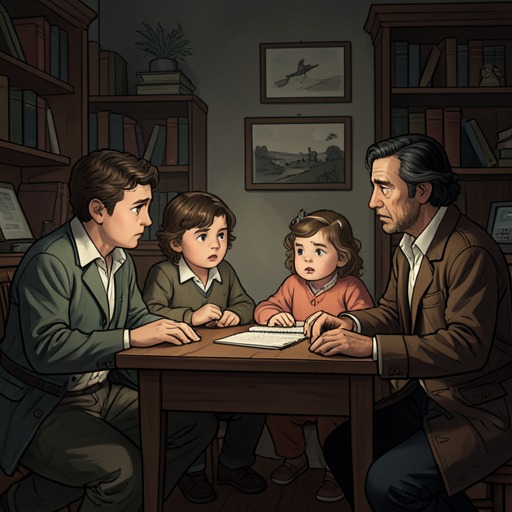
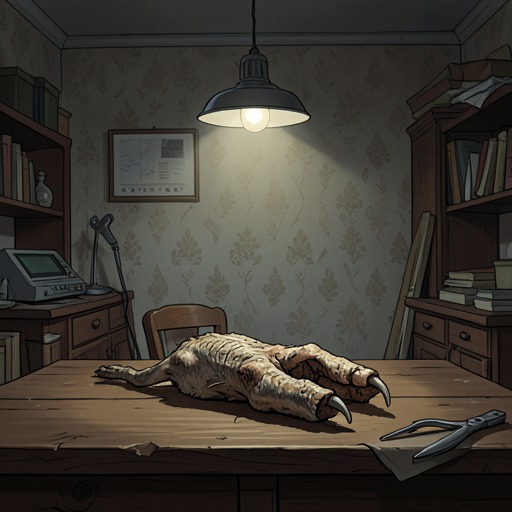
Herbert proposes the amount after his father admits he cannot think of anything to wish for and feels he already has all he wants. With a hand on his father’s shoulder, Herbert suggests that two hundred pounds would clear the house and make him happy. His tone and his mother’s presence make the proposal part of the family’s teasing domestic exchange, rather than a solemn declaration of need. Mr. White raises the talisman and distinctly wishes for two hundred pounds. Herbert sits at the piano and supplies a few impressive chords; the music’s flourish is interrupted by his father’s shuddering cry. The paw has moved, and Mr. White recoils from it as it lies on the floor. The sudden physical response unsettles the playful scene, though the family has no visible evidence that money has appeared.
Fulfillment Through Loss
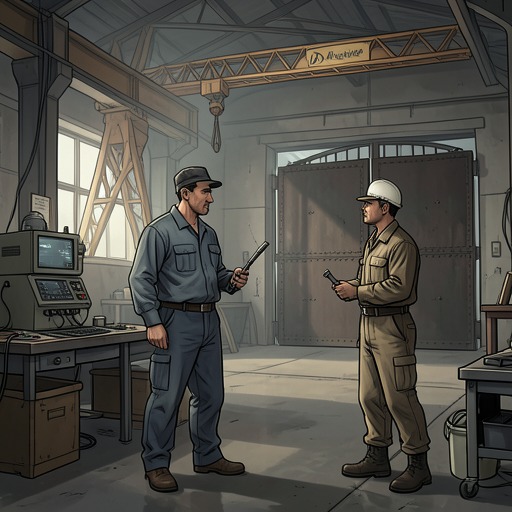
The wish’s consequence becomes clear only after Herbert is caught in machinery. A visitor from Maw and Meggins comes to convey the firm’s sympathy, while stressing that he is merely obeying orders. The company disclaims responsibility and admits no liability, but says it will make a payment in consideration of Herbert’s services. The announced compensation is two hundred pounds—the exact amount Mr. White requested. The parallel between wish and payment is the story’s cruel reversal: the sum arrives, but only after the death that makes it unbearable. On hearing it, Mr. White smiles faintly, reaches out with his hands like a sightless man, and collapses unconscious, while his wife shrieks. The money fulfills the request literally, yet its arrival marks the destruction of the happiness Herbert had imagined it might secure.
Aftermath and Significance
The Whites bury their son in a new cemetery two miles away and return to a house steeped in shadow and silence. At first they remain expectant, as if another event might lighten their grief; with the passing days, that expectation gives way to resignation. The compensation does not restore their household or give them anything to talk about: the narrative places the precise sum beside the continuing absence of their only remaining child. The wish also gains force from the paw’s stated history. Morris explains that an old fakir enchanted it to demonstrate that fate ruled people’s lives and that interference brought sorrow; the first man’s third wish had been for death. Against that warning, Herbert’s casual suggestion and Mr. White’s spoken request appear to turn a general desire for financial relief into an instrument of painful fulfillment. The story does not make the compensation equivalent to Herbert’s life: its exactness instead exposes the gap between what a wish can name in money and what a family has lost.